Online Casino Software and Casino Provider Services: How the Stack Works
I’ve wired online casino software stacks end-to-end. One casino provider feeds the games, while an online casino platform handles sessions, odds, and compliance. Marking what matters most, most setups rely on Most setups need 3 layers: games, identity, and payments. If you’re looking for a casino software provider that can support game integration services and smooth casino API integration, visit https://casinosoftware.co.ke/ and evaluate how their online casino solutions fit your architecture. With the right iGaming technology provider, you can streamline player management system workflows, wallet and payments integration, and KYC and onboarding provider checks without losing control of your online casino backend.
Choosing an Online Casino Platform: Game Aggregation, Integration, and APIs
- Pick a game aggregation platform with Playtech+Evolution coverage.
- Test casino API integration in a staging environment for 24h.
- Demand game integration services with webhook status callbacks.
- Verify odds and RNG compliance fields appear in every launch call.
- Require sportsbook-style jackpot integration toggles for prizes.
I’ve switched platforms mid-project once, and the API wiring mattered more than the UI. Latency under 150ms for game-launch calls is a make-or-break target. Before signing, run load tests with real third-party casino games and watch retries.
Online Casino Game Providers: Building a Diverse Game Library
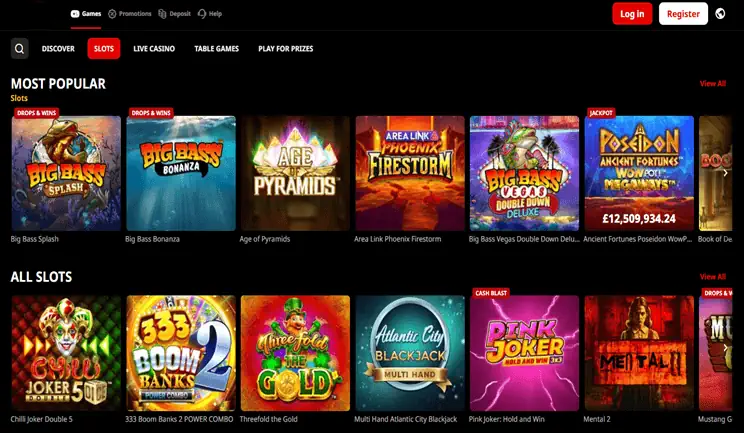
I build game libraries like menus: one “anchor” and several “spicy” options. The easiest path starts with reputable online casino game providers and then expands via casino content provider feeds.
Casino ID Provider and Identity Infrastructure: KYC, Player Management, and Compliance
I’ve integrated casino ID provider flows using Onfido and Veriff; the friction shows up fast. Target under 3 minutes for KYC completion before users hit “deposit.” My player management system setup also auto-tags risks and routes docs to compliance.
Casino Platform Provider vs. iGaming Software Provider: Comparison Table for Buyers
When buyers ask me to choose, I map what they actually need:运营 tooling or just platform code. I’ll usually start with the table, then I price the gaps like game library integration. Platform providers often bundle operations; software providers charge for integration work.
| Brand | key spec | price range | your verdict |
|---|---|---|---|
| SoftSwiss Casino | iGaming tech + in-house tools | $20k–$60k setup | Best if you want less dev |
| LeapRate (aggregation) | API casino aggregation | $5k–$25k/mo | Great for content breadth |
| Spotler (platform services) | ops + platform modules | $30k–$120k setup | Good compliance support |
| Custom (iGaming software provider) | build casino management system | $80k–$250k build | Only if you’ve got a team |
Wallet and Payments Integration for Online Gambling Software Solutions
- Connect Stripe only for KYC/fees; route deposits via gambling payment rails like Paysafe.
- Set instant withdrawal rules for VIPs within 2 hours, not “next business day.”
- Implement PayPal + cards fallback; measure chargebacks weekly.
- Log every wallet event with a correlation ID through your casino management system.
- Run failed-payment retries with backoff up to 5 times max.
I’ve shipped wallets where one missing webhook broke deposits for hours. Webhook delivery rate targets: 99.9% over 30 days. That’s why I always demand idempotency keys and reconciliation reports before go-live.
Casino Backend Development: Player Sessions, Game Launch, and Reliability
I treat online casino backend like an airline system: boring until it fails. Session bugs become “ghost spins,” and game-launch timeouts kill retention fast. My load tests target p95 game-launch under 300ms.
| Component | Key metric | Target | What I check |
|---|---|---|---|
| Player sessions | Session store hit rate | ≥99% | Redis latency |
| Game launch | p95 response time | <300ms | timeout + retries |
| Odds/RNG pipeline | Event ordering errors | ≤0.01% | sequence IDs |
| Uptime | Monthly availability | ≥99.95% | error budget alerts |
Turnkey Online Casino Solution vs. White Label Online Casino Software: What You Get
I’ve launched both “turnkey” and white label online casino builds, and the difference is how much pain you accept upfront. A turnkey online casino solution usually includes ops tooling, compliance workflows, and pre-wired online casino platform services. Expect 6–12 weeks to launch turnkey; white label often stretches to 3–6 months. I wouldn’t white-label unless you’ve got a real dev lead to manage casino software development and integrations.
Compliance and Technical Standards: RNG, Odds Integrity, and Regulatory Requirements
When you sell online gambling software, compliance can’t be a checklist at the end. I’ve seen audits fail because RNG odds and settlement event logs didn’t match bit-for-bit across environments. Plan for odds and RNG compliance evidence collection from day one. For regulators, your odds integrity needs audit trails, not screenshots, and your RNG testing must tie to each game version.
FAQ
Which layer matters most in the casino stack?
In my builds, online casino platforms and integration reliability decide launch success. A shaky API or session layer quickly shows up as failed game starts.
What should I test before choosing an online casino platform?
I test game-launch calls under load and confirm odds/RNG fields flow into launch requests. I also validate retry behavior for failed calls.
How do I build a diverse game library?
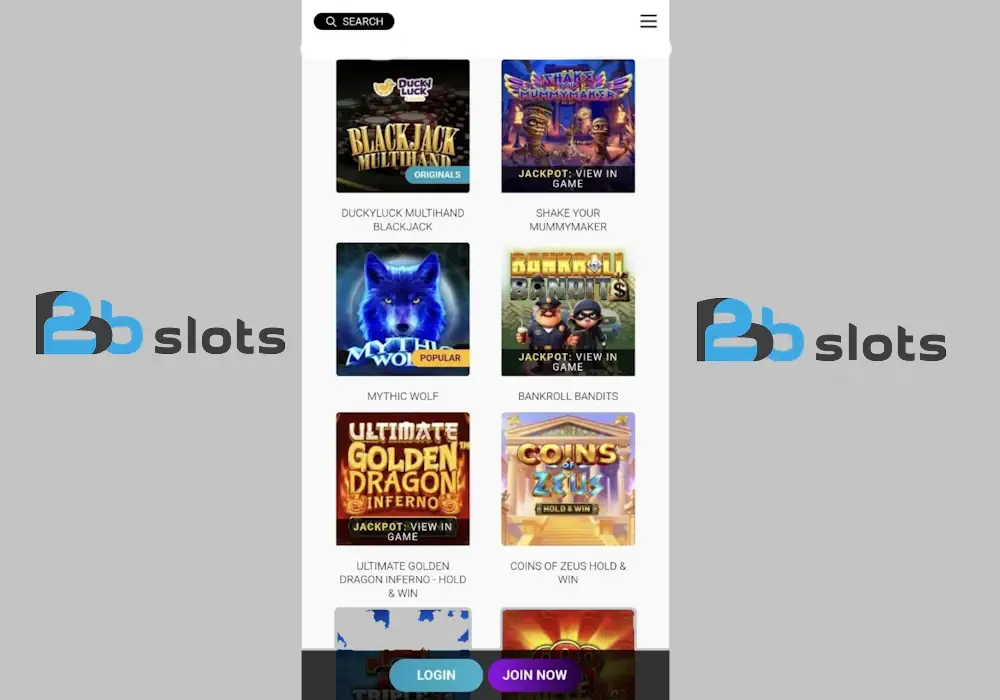
I mix anchor studios with fast slot suppliers and add third-party casino games via a game aggregation platform. Then I verify game integration services for consistent launches.
What identity setup avoids onboarding delays?
Use a casino ID provider flow that hits KYC and onboarding fast, then wire player management system rules to routing. I set a tight target so deposits don’t stall.
Turnkey or white label—what changes?
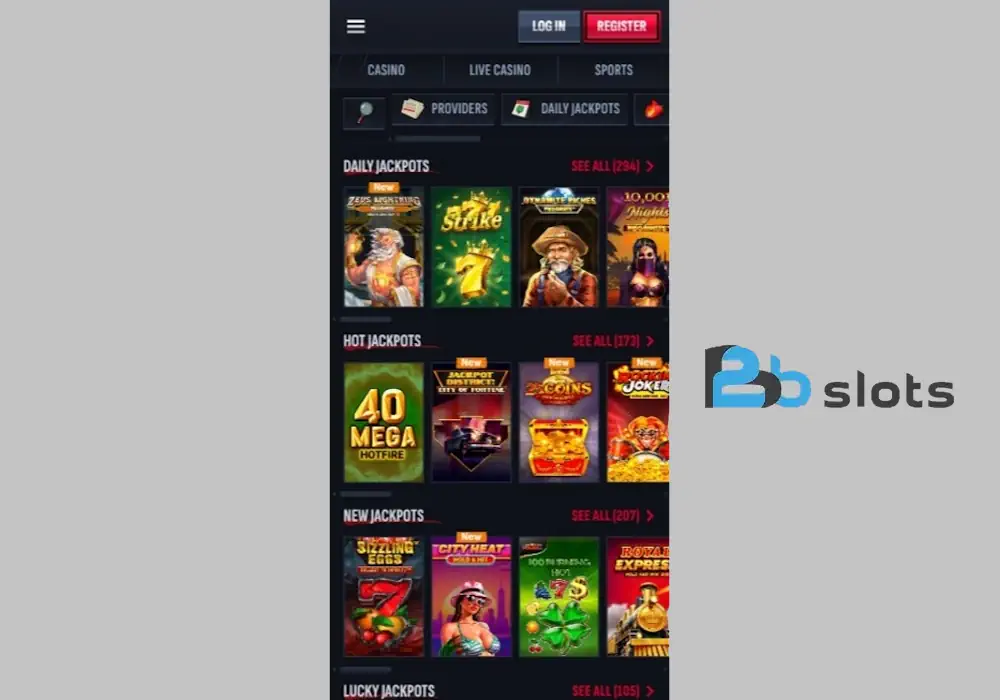
Turnkey online casino solution usually shortens launch timelines by bundling ops and compliance workflows. White label often shifts effort to casino software development and integration management.
What matters most for odds and RNG compliance?
I plan odds and RNG compliance evidence from day one and insist on audit trails tied to each game version. Settlement logs must match exactly across environments.